Volunteer coordination
Recruit and match people to approved cleanup, logistics, communications, documentation, or administrative roles.
Disaster-recovery partnerships
MGA is building relationships with nonprofits, land managers, community organizations, businesses, and public agencies to support defined, authorized recovery work across Florida.
Recruit and match people to approved cleanup, logistics, communications, documentation, or administrative roles.
Support supply staging, inventory, routing, check-in, records, and partner handoffs within the agreed scope.
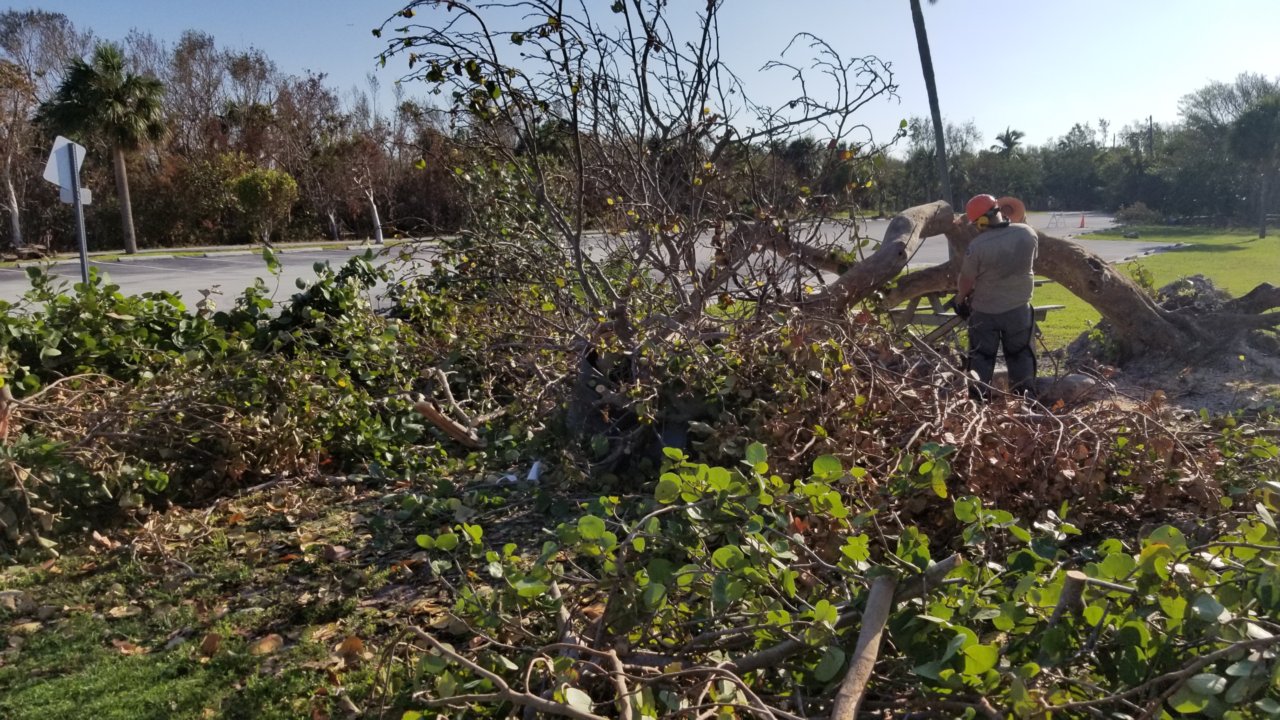
Coordinate authorized storm-debris and litter cleanup in community spaces, shorelines, waterways, and natural areas.
Capture approved photography, mapping, and aerial imagery for project coordination and reporting.
MGA begins with a conversation. If the need matches available capacity, the parties document roles, permissions, safety requirements, timing, and reporting before any work is scheduled.
Partnership inquiry
Share the goal, location, lead organization, and the kind of support you want to discuss.